The short version
- kWp means kilowatt-peak: the maximum rated output of a solar system in ideal test conditions.
- A 450W panel is 0.45 kWp, so 10 panels gives about 4.5 kWp before real-world losses.
- Your usable roof area and yearly electricity use in kWh are the two main sizing factors.
- Oversizing can produce more export, but it may reduce the proportion of solar electricity you use yourself.
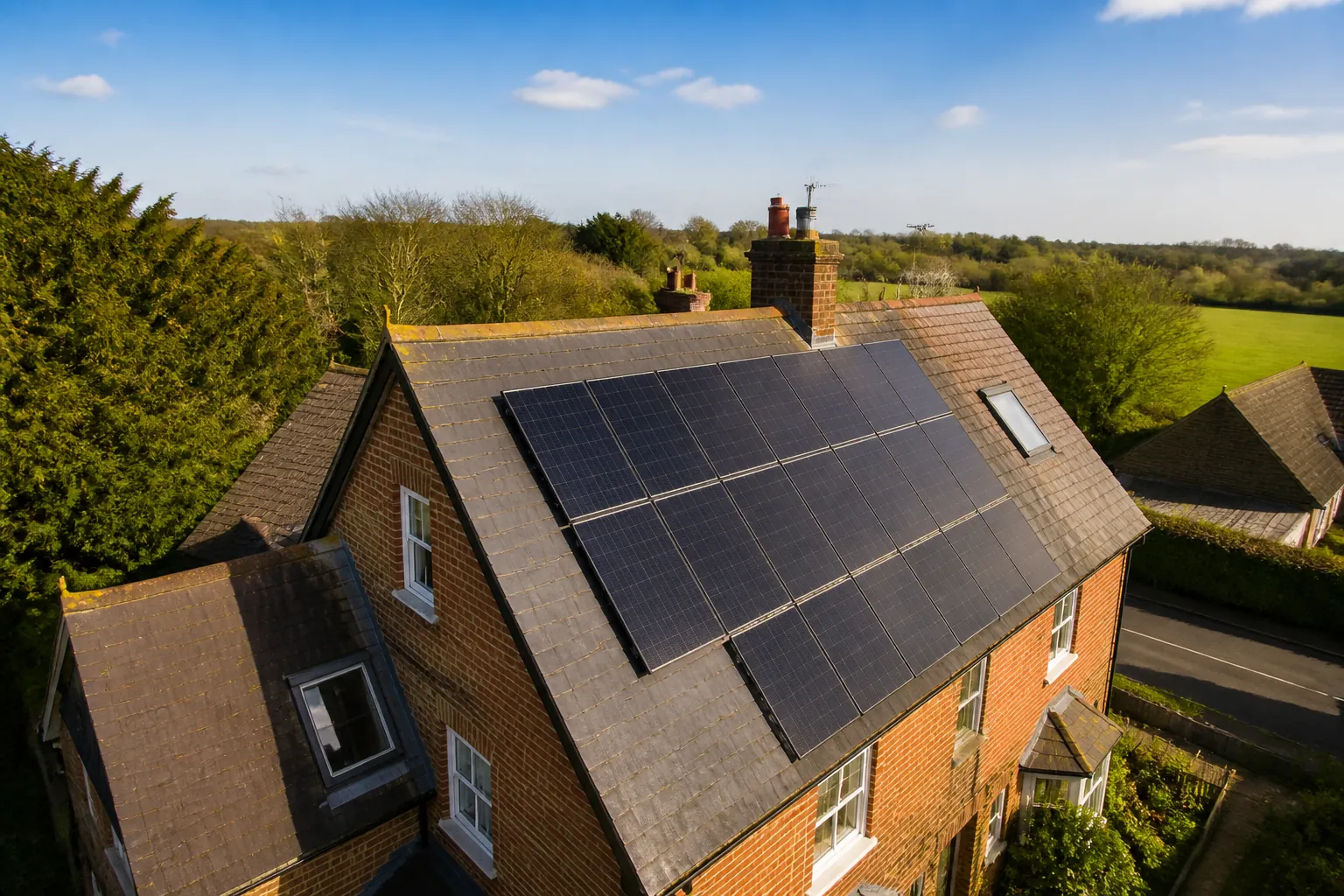
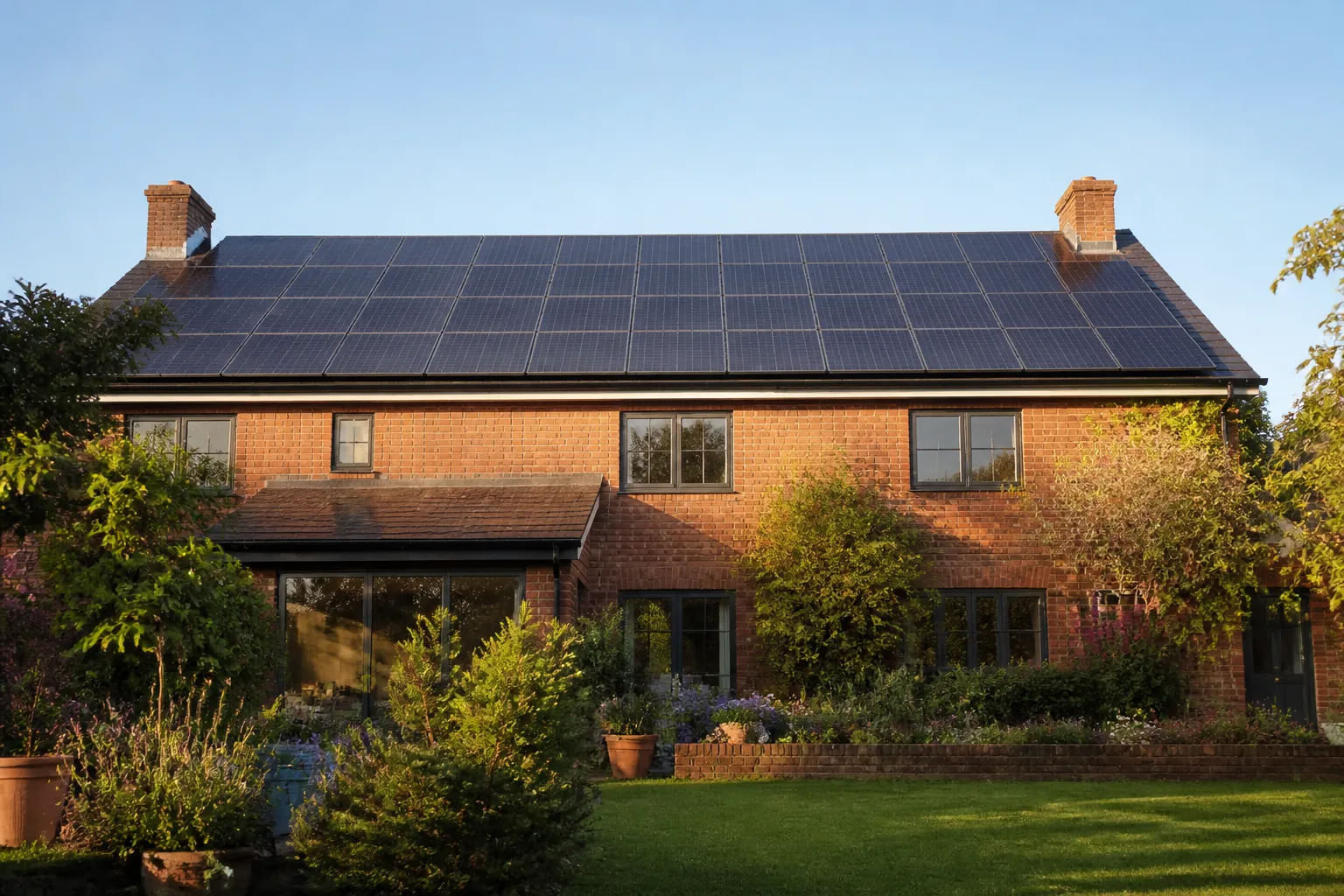
As a rough guide, a typical 3-bedroom home often suits a system of around 4 to 4.5 kWp. With modern 450W panels, that is roughly 10 panels and around 20 to 30 m2 of usable roof space.
What does kWp mean?
Solar panel systems are usually described in kWp, which stands for kilowatt-peak. It is the peak output the panels are rated to produce under standard test conditions, not what they will produce every hour of the day.
A single 450W panel is the same as 0.45 kWp. If you install ten 450W panels, the panel array is about 4.5 kWp.
In real life, output changes with the season, weather, roof angle, orientation, shade and time of day. kWp is still useful because it lets you compare system sizes clearly.
What size system suits a typical home?
For a typical 3-bedroom home, a solar system of around 4 to 4.5 kWp is a common starting point. Using 450W panels, that usually means roughly 10 panels.
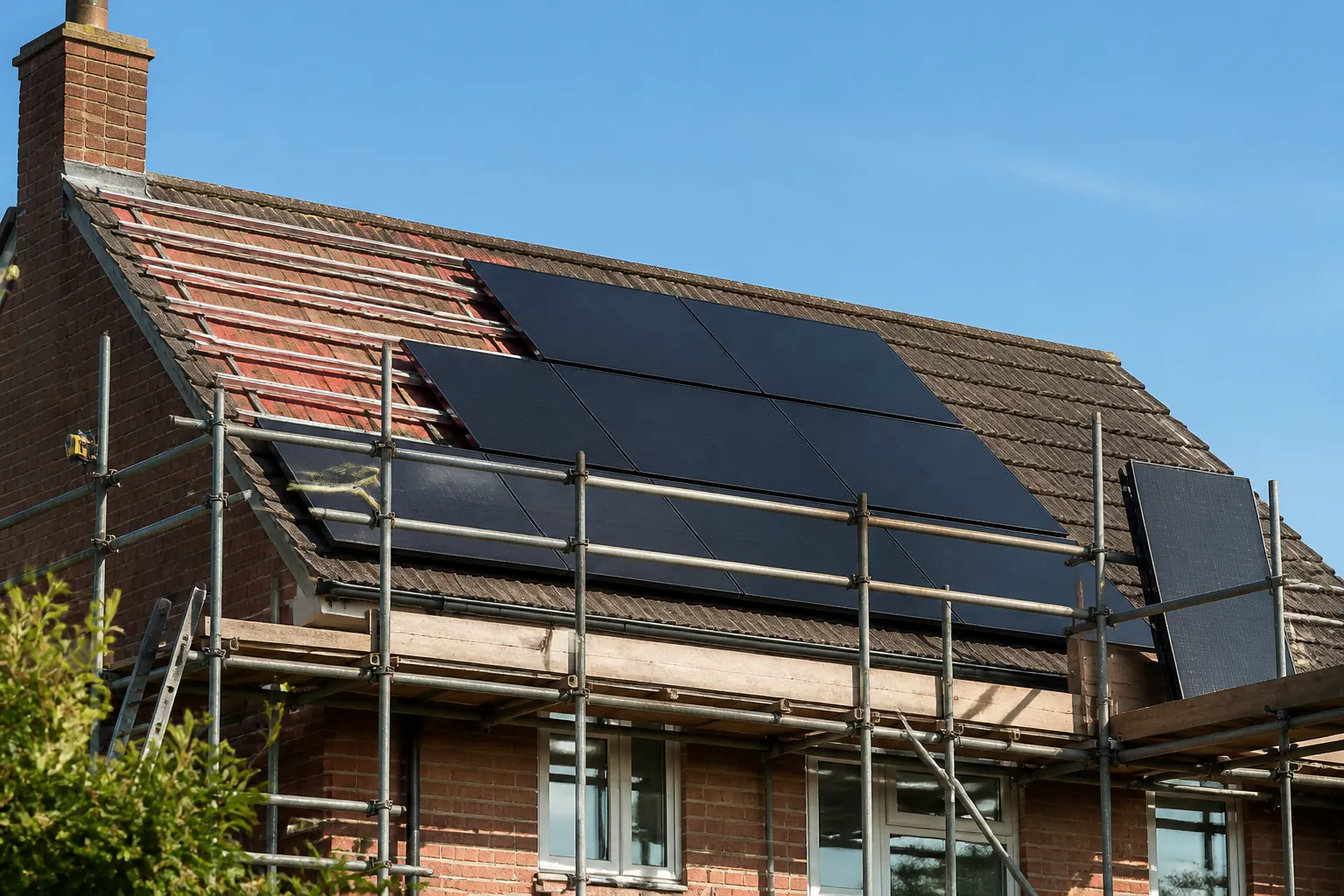
That size of system typically needs around 20 to 30 m2 of suitable roof area. The word suitable matters: chimneys, roof windows, vents, awkward shapes and shaded areas can all reduce the space that can actually be used.
This is only a guide, not a rule. A smaller home with high daytime electricity use may benefit from a good-sized system, while a larger home with low use and a shaded roof may be better with fewer panels.
What drives the number of panels?
The two big factors are usable roof area and your yearly electricity use, measured in kWh. You can usually find your annual kWh figure on your electricity bill or online account.
If your roof is the limiting factor, the design starts with what will fit safely and neatly. If your electricity use is the limiting factor, the aim is usually to size the system so you use a good share of the solar power yourself.
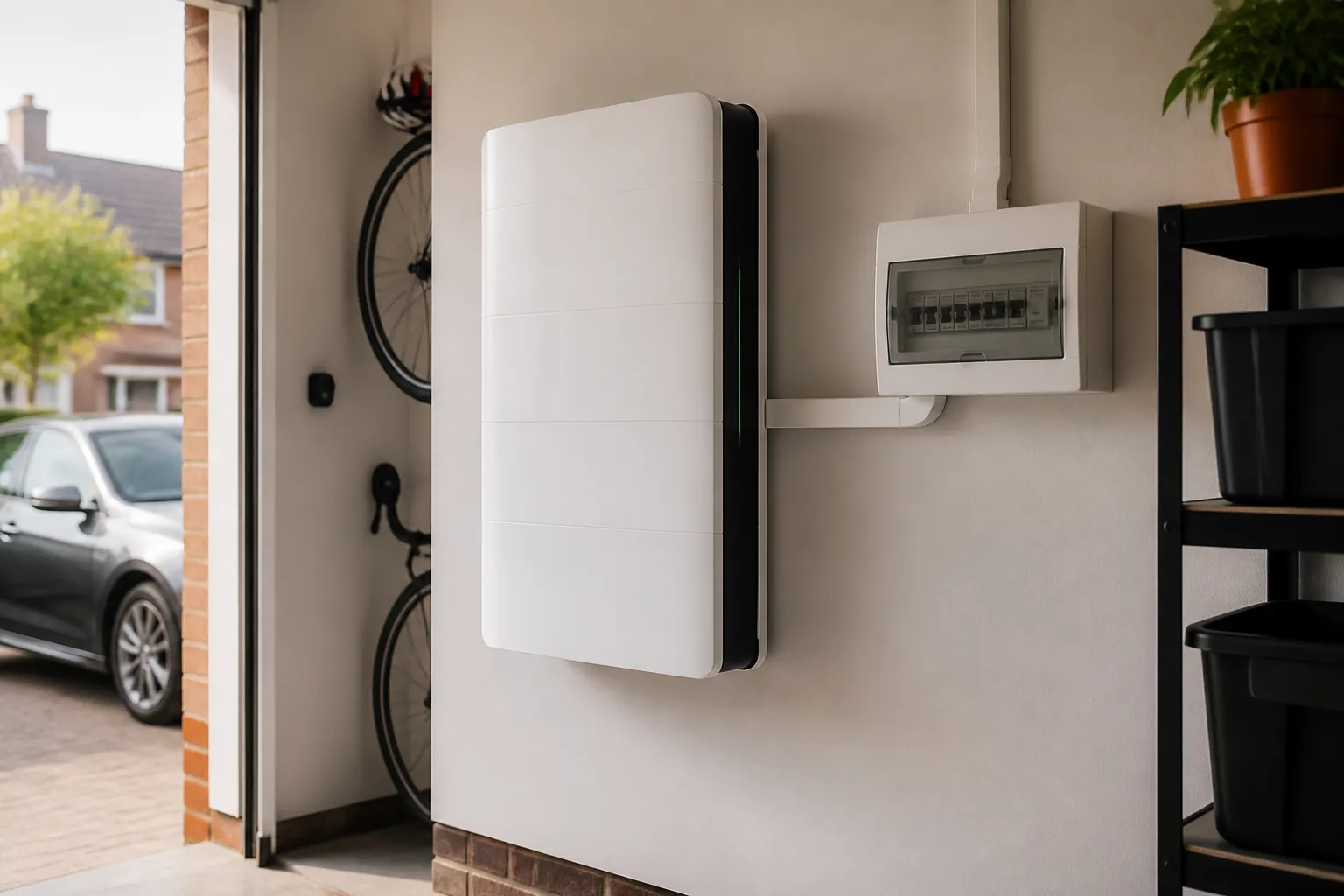
It also helps to think about when you use electricity. Solar is most valuable when it offsets electricity you would otherwise buy from the grid, so homes with daytime use, an immersion diverter, a battery, or an electric vehicle may be able to make better use of a larger system.
Is it worth oversizing?
Sometimes, but not always. A larger array can generate more electricity across the year, especially in spring and summer, but if you cannot use it at home it will be exported to the grid.
Export is not a bad thing, and many households are paid for it through an export tariff. However, exported electricity is usually less valuable than electricity you use directly in the home, so a very large system may give a lower self-use percentage.
There is also a grid connection point to check. Many single-phase homes fall under G98 for small generation up to 16A per phase, which is commonly associated with 3.68kW export; larger or less standard arrangements may need a G99 application to the local network operator. The panel size, inverter size and any export limit all need to be considered together, and AmpWell confirms what fits and what approvals may be needed during a free home survey and quote.
Common questions
How many solar panels do I need for a 3-bedroom house?
As a rough guide, many 3-bedroom homes suit around 4 to 4.5 kWp of solar panels. With 450W panels, that is roughly 10 panels, needing about 20 to 30 m2 of usable roof space.
Is a 450W solar panel better than a smaller panel?
A 450W panel produces more rated output than a lower-wattage panel of the same type, so you may need fewer panels for the same system size. It is still important to look at roof fit, shading, product quality and the overall design rather than wattage alone.
Should I size solar panels to cover all my annual electricity use?
Not always. Matching annual kWh can be misleading because solar produces more in summer and less in winter, while your use may not follow the same pattern. A good design looks at both yearly use and when you are likely to use the power.
Can I install more than 3.68kW of solar on a single-phase home?
Often yes, but the export arrangement must be checked. Smaller systems may be handled under G98, while larger or less standard systems may need a G99 application or an export limit agreed with the local network operator.