The short version
- A solar battery usually increases self-consumption and reduces how much electricity you buy from the grid.
- Common domestic battery sizes are around 5kWh and 10kWh, with installed costs often from about £2,500 to £4,000 or more depending on the system.
- A battery can lengthen simple payback, unless you make good use of a smart or time-of-use tariff.
- Backup power can be a valuable non-money benefit, but it normally needs specific EPS equipment and careful design.
For some homes, that is a very useful upgrade. For others, the extra cost can be hard to justify, so the right answer depends on how and when you use electricity.
What does a solar battery do?
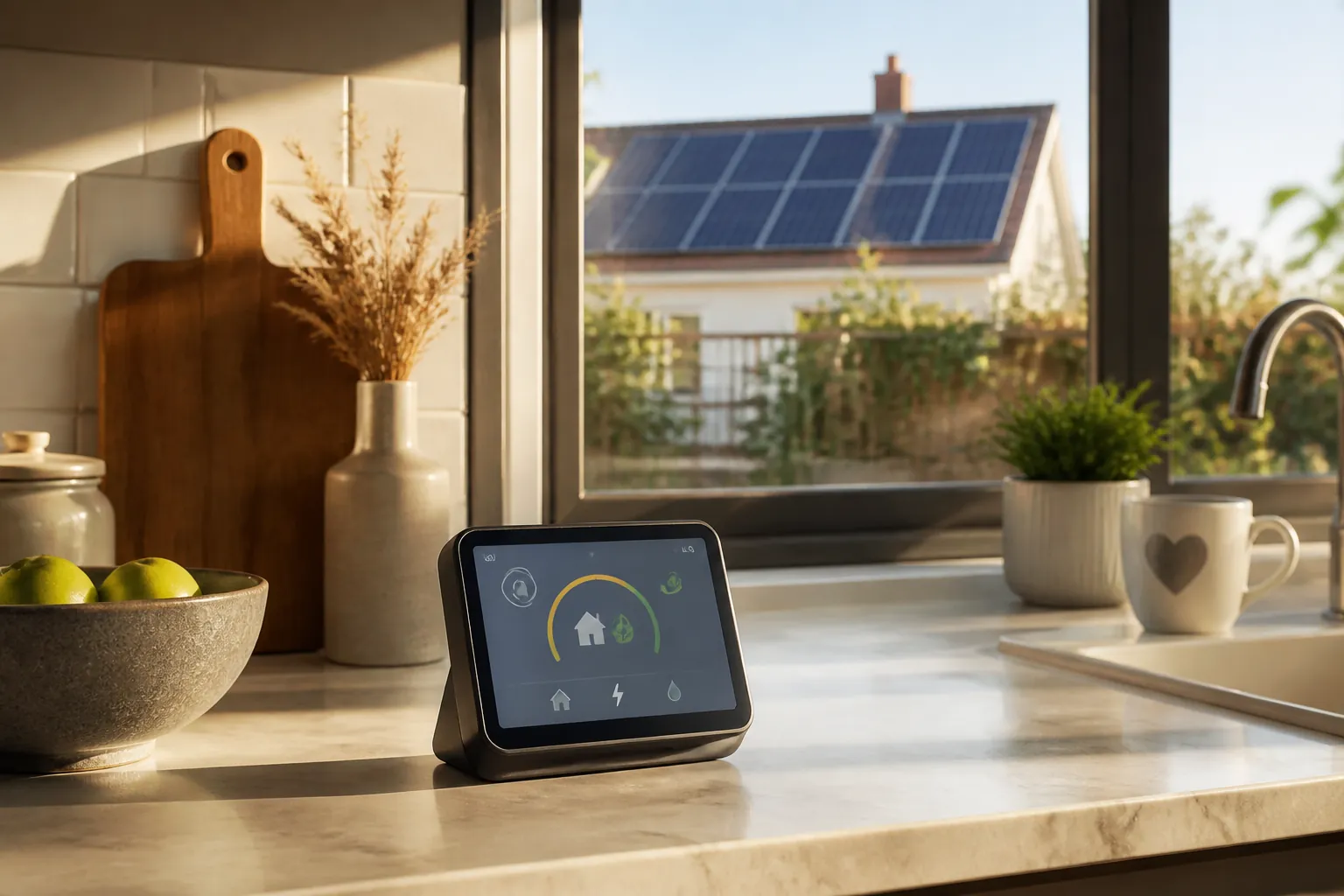
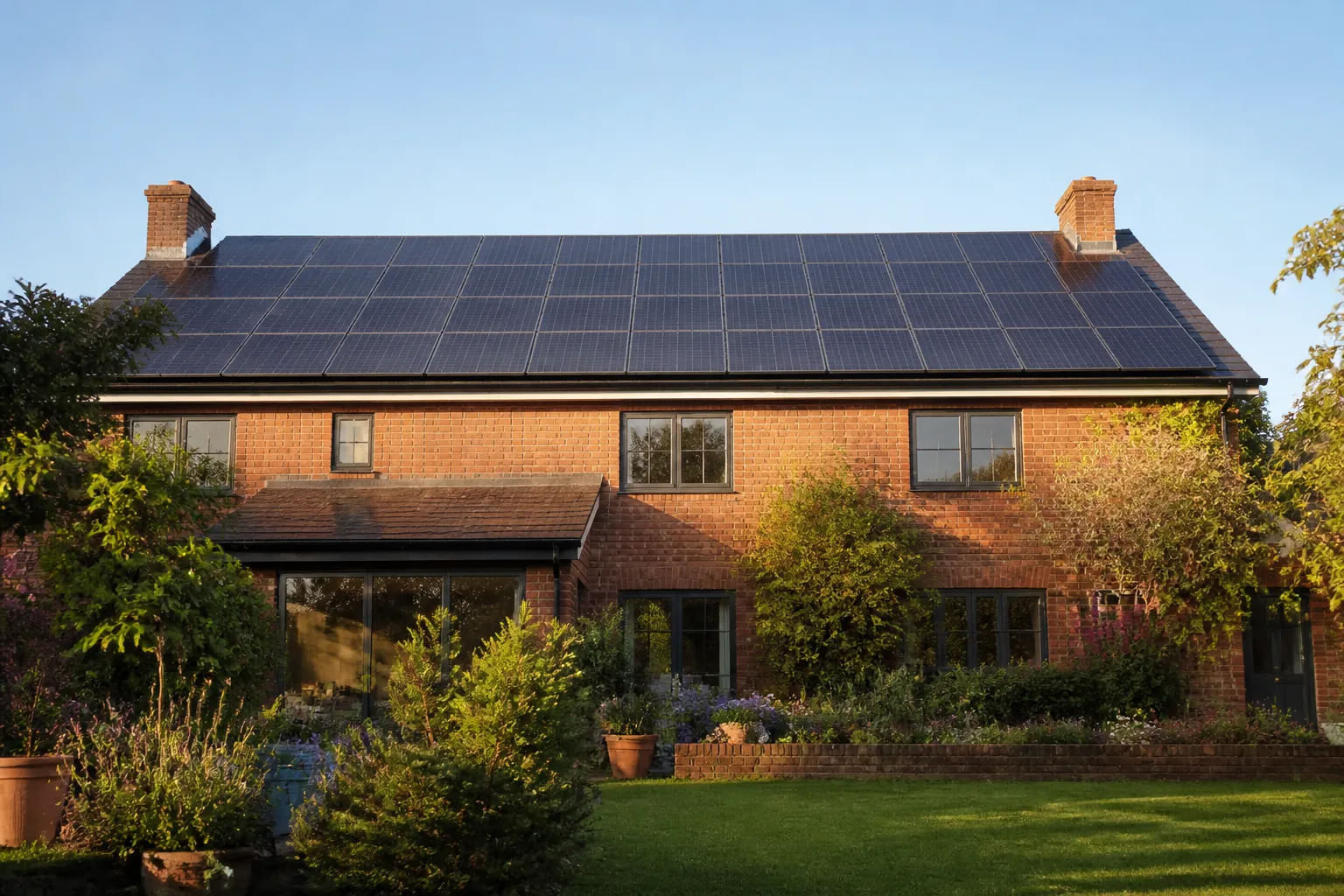
Solar panels generate electricity when there is daylight. If your home is not using all of that power at the time, the spare electricity can be exported to the grid or stored in a battery.
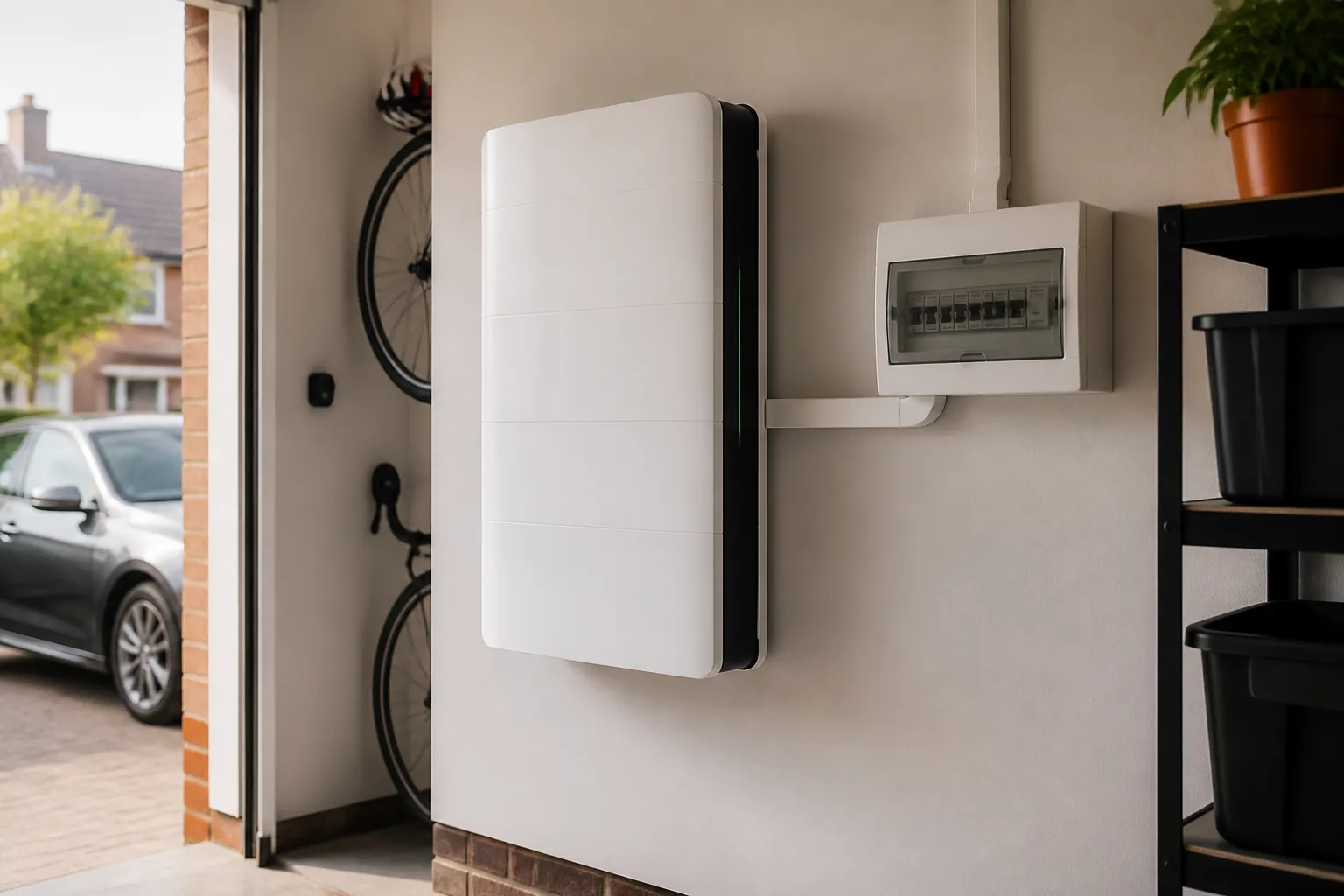
A battery lets you keep more of that daytime solar generation for later, typically for the evening, night-time and early morning. This is useful because many households use most electricity outside the sunniest hours.
Without a battery, a home may export more solar power during the day and then buy electricity back from the grid later. A battery reduces that pattern, although it will not remove the need for grid electricity all year round.
How much does a solar battery cost?
Typical domestic battery sizes are around 5kWh and 10kWh. A smaller battery may suit a modest home with steady evening use, while a larger battery may suit higher consumption, an electric vehicle, or a household that wants to make more use of off-peak charging.
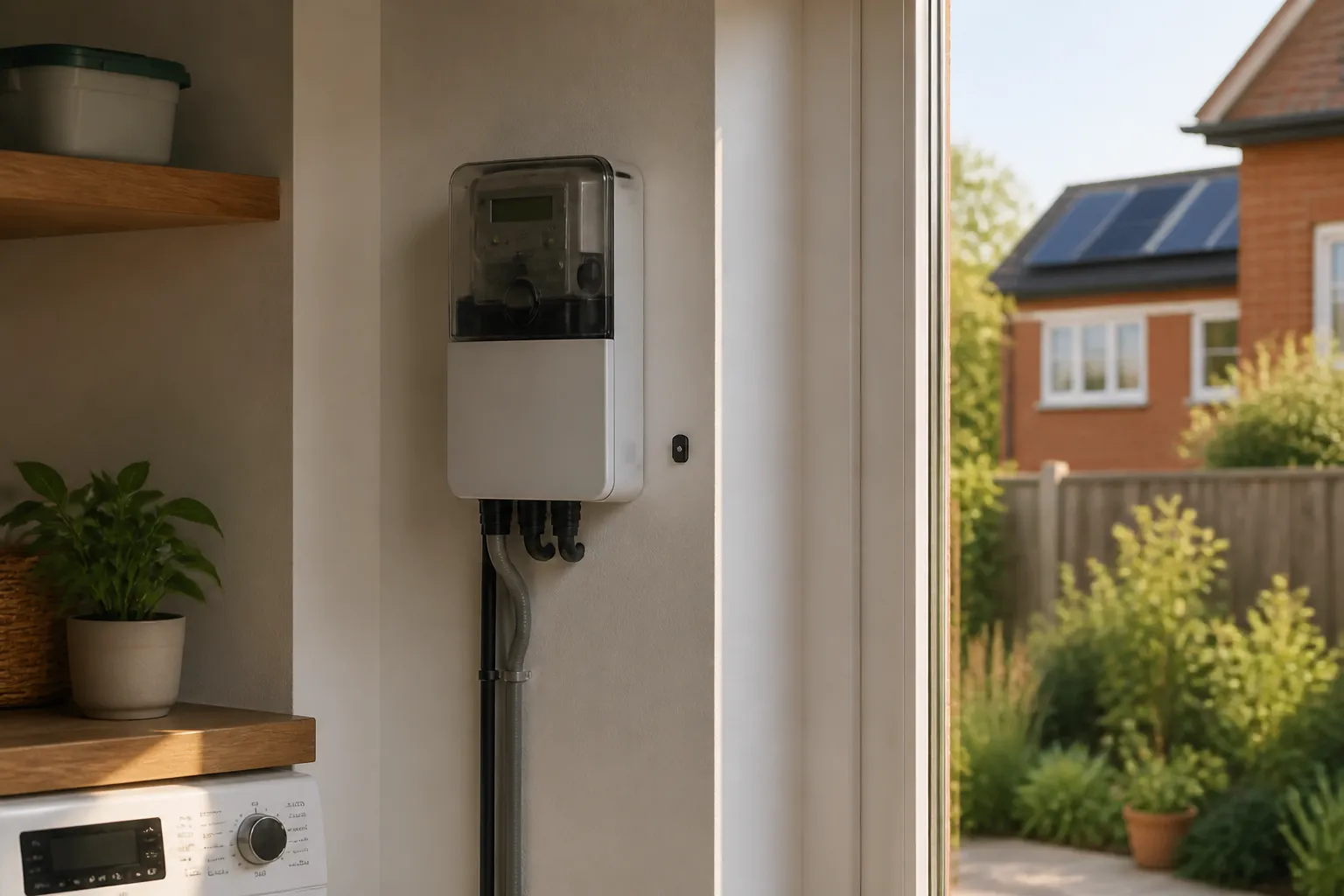
As a broad guide, installed battery costs are often around £2,500 to £4,000 or more. The final price depends on the battery size, inverter arrangement, whether it is being fitted with new solar panels or added to an existing system, and any extra electrical work needed.
It is worth sizing a battery properly. A battery that is too small may fill quickly and miss useful savings, while one that is too large may sit partly unused for long periods, which can weaken the financial case.
Will a battery save money?
A battery can save money by increasing self-consumption. In plain terms, you use more of your own solar electricity and import less from the grid at full unit price.
However, a battery also adds a significant upfront cost. On a simple payback calculation, adding a battery often lengthens the overall payback period compared with solar panels alone.
The picture can improve if you are on a smart or time-of-use tariff, such as Octopus Flux or a similar export and import tariff. These can allow a battery to charge, discharge or export at more useful times, but the benefit depends on your usage pattern, tariff rules and how the system is set up.
When is a battery worth considering?
A battery tends to make most sense if your home is empty during the day and you use a lot of electricity in the evening. It can also be useful for EV owners, especially where off-peak charging and solar generation can be managed together.
It may also appeal if you want some backup power during a power cut. This usually requires an EPS, or emergency power supply, function and the right wiring, and it may only support selected circuits rather than the whole house.
A battery is not for everyone. If you are often at home in the day, use most of your solar power as it is generated, have low electricity use, or are mainly focused on the shortest payback, panels without a battery may be the better first step. AmpWell can check this with a local survey and a clear, no-obligation quote across Brackley, Banbury, Bicester, Towcester and Buckingham.
Common questions
How big a solar battery do I need?
Many homes look at batteries around 5kWh or 10kWh, but the right size depends on your electricity use, solar generation and tariff. A good installer should look at your bills and daily usage pattern rather than simply recommending the largest battery.
Will a solar battery run my house in a power cut?
Not automatically. Backup power normally needs an EPS feature, compatible equipment and specific wiring, and it may be designed to supply only essential circuits such as lights, Wi-Fi or a fridge.
Does a battery make solar pay back faster?
Not always. Because the battery adds extra upfront cost, it often lengthens simple payback unless you can make strong use of a smart or time-of-use tariff and have the right usage pattern.
Can I add a battery to existing solar panels?
In many cases, yes, but it depends on your current inverter, consumer unit, available space and system design. An installer can check whether an AC-coupled or hybrid battery set-up is the more sensible option.