The short version
- Simple payback is: installed cost divided by annual saving.
- Your annual saving usually comes from two places: using your own solar electricity and being paid for exported electricity through the SEG.
- Higher self-consumption, a good south-facing roof and little or no shading can shorten payback.
- Solar panels normally last 25+ years, so much of the lifetime benefit comes after the system has paid for itself.
For many UK homes, a well-sited solar PV system pays back in around 8-12 years, but the real answer depends on your roof, your electricity use, the tariff you are on and how much of your solar power you can use at home.
How is solar payback worked out?
The simplest way to estimate solar payback is: installed cost divided by annual saving. For example, if you know the full installed price and you have a realistic estimate of what the system will save and earn each year, you can divide one by the other to get an approximate number of years.
This is called simple payback. It is useful because it is easy to understand, but it is not perfect. It does not fully account for future electricity price changes, tariff changes, maintenance, inflation or the time value of money.
Even so, it is a good starting point for comparing options. A properly designed system should be based on your actual electricity use, your roof layout and the amount of solar energy you are likely to use in the home.
What is a typical UK payback period?
As a broad guide, many UK domestic solar PV systems pay for themselves in around 8-12 years. Some will be quicker, some will take longer, and a careful survey matters because two similar-looking homes can perform quite differently.
The installed cost is only one side of the calculation. The other side is the annual benefit, which depends on how much solar electricity you use instead of buying from the grid, and how much you are paid for any surplus electricity you export.
It is also worth remembering that domestic solar installations currently benefit from 0% VAT until March 2027. That can reduce the upfront cost compared with paying VAT at the standard rate, provided the work qualifies under the rules in place at the time.
Where do the savings come from?
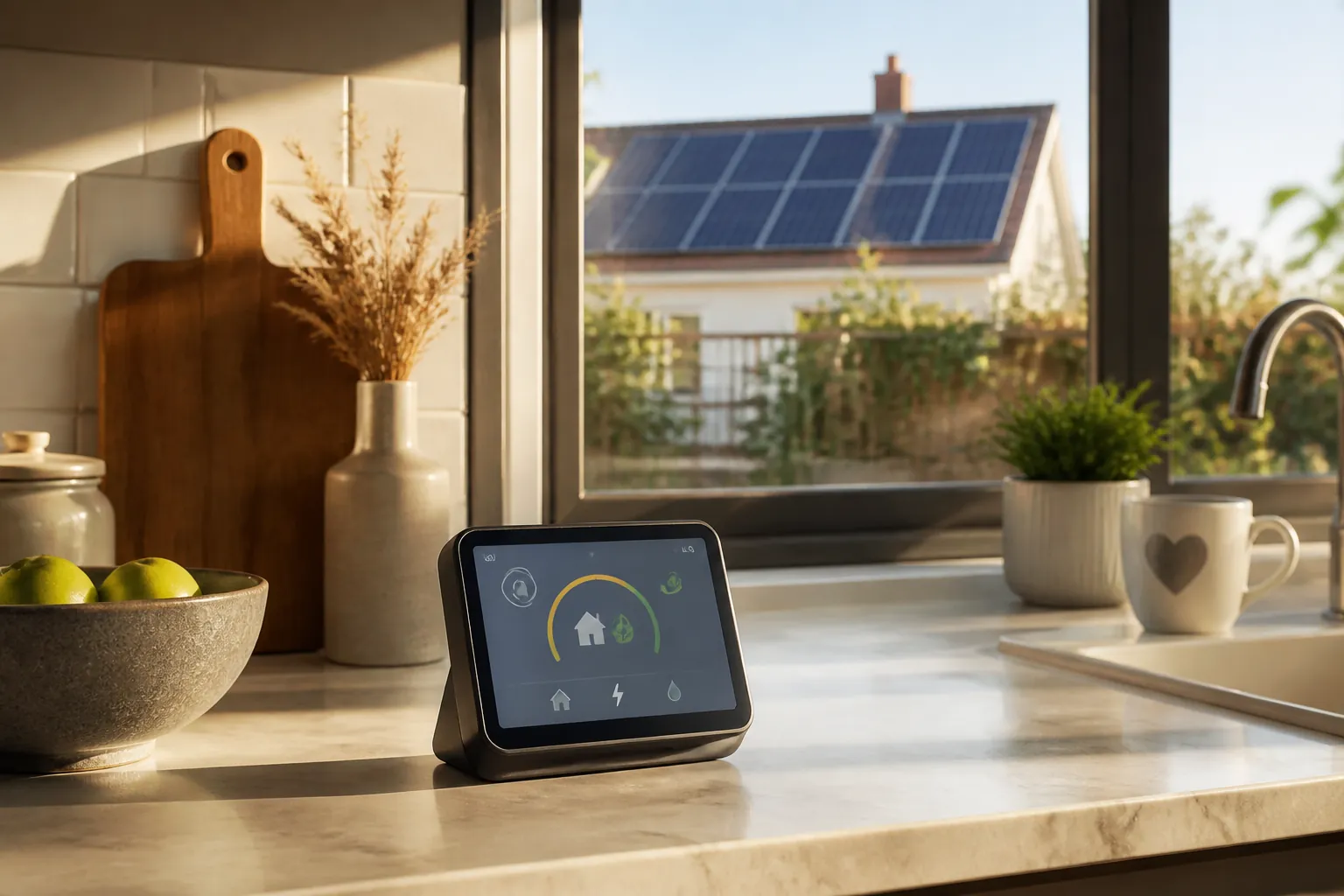
The main saving comes from using your own solar electricity during the day. Every unit you use from your panels is a unit you do not need to buy from your electricity supplier, so households that can run appliances, heating controls, immersion heating or EV charging during sunny periods often make better use of the system.
The second income stream is export payment through the Smart Export Guarantee, usually called the SEG. Under the SEG, energy suppliers can pay you for surplus electricity that your system sends back to the grid, although the rates and terms vary by supplier and tariff.
In most cases, using solar electricity at home is worth more than exporting it, because buying electricity from the grid typically costs more than the export rate you receive. That is why self-consumption is such an important part of payback.
What makes payback shorter or longer?
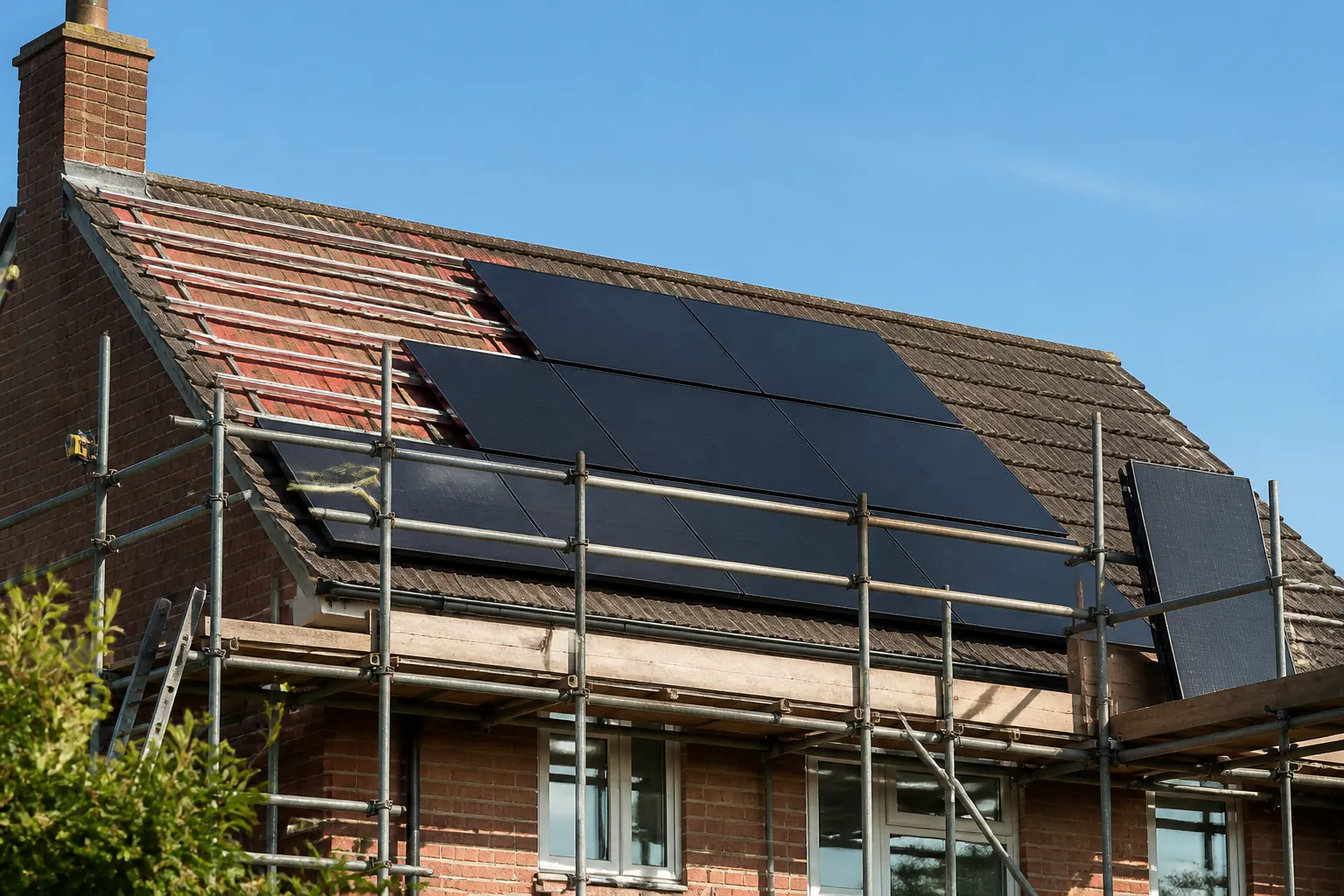
Payback is usually shorter when electricity prices are higher, when your daytime electricity use is high, and when the roof is well suited to solar. A south-facing roof with little or no shade is often ideal, although east- and west-facing roofs can still be worthwhile depending on the home.
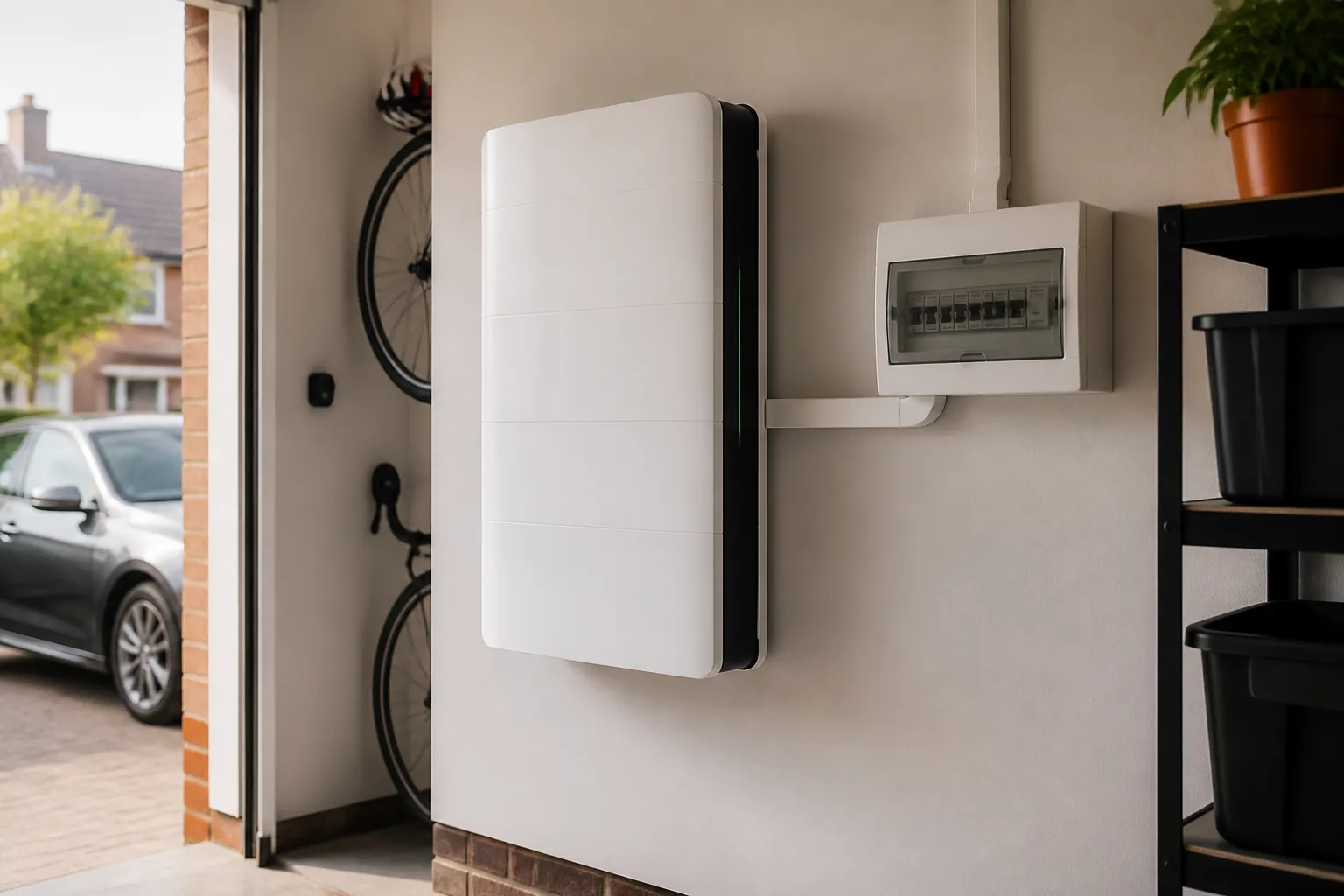
Payback can be longer if the roof is shaded, if the system has to be smaller than ideal, or if most of your electricity use is at times when the panels are not generating. Adding a battery can also lengthen simple payback on a standard electricity tariff, because the extra equipment cost may not be fully recovered quickly through bill savings.
That does not mean batteries are never worth considering. They can improve self-consumption, provide more flexibility and suit some tariff arrangements, but they should be assessed honestly rather than added by default. AmpWell can provide a free local survey and quote around Brackley, Banbury, Bicester, Towcester and Buckingham to help you see what is realistic for your home.
Common questions
Do solar panels still save money after they have paid for themselves?
Yes. Solar panels typically last 25 years or more, so if the system pays back in around 8-12 years, many of the lifetime savings come after that point. There may still be normal ownership considerations, such as inverter lifespan and occasional checks, but the panels should continue generating for many years.
Do solar panels lose performance over time?
Yes, solar panels usually degrade slightly each year, which means their output gradually reduces over time. This is normal and is allowed for in proper estimates, rather than assuming the panels will perform exactly the same in year 25 as they did in year one.
Will a battery make my solar payback faster?
Not always. On a standard tariff, adding a battery often lengthens simple payback because it increases the upfront cost. A battery may still suit some homes, especially where usage patterns or tariffs make it beneficial, but it should be checked against your actual consumption rather than assumed.
Is solar worth it if my roof is not south-facing?
It can be, but it depends on the roof angle, shading, available space and when you use electricity. South-facing and unshaded is usually best for payback, but east- and west-facing roofs can still work well for many households. A site survey is the safest way to get a realistic answer.