The short version
- The SEG pays you for surplus solar electricity exported to the grid.
- You normally need a smart or export-capable meter and an MCS-certified solar installation.
- Export rates vary a lot by supplier, so it is worth comparing regularly.
- Using your solar electricity at home is usually worth more than exporting it.
The SEG can help improve the return from solar, but it is not the same as getting free electricity or a guaranteed high income. The best results usually come from using as much of your own solar power as you sensibly can, then exporting what is left on a good tariff.
What is the Smart Export Guarantee?
The Smart Export Guarantee is a government-backed requirement for many electricity suppliers to pay small-scale generators, including homeowners with solar panels, for electricity they export to the grid. In simple terms, if your panels make more than your home is using at that moment, the spare electricity can be measured and paid for.
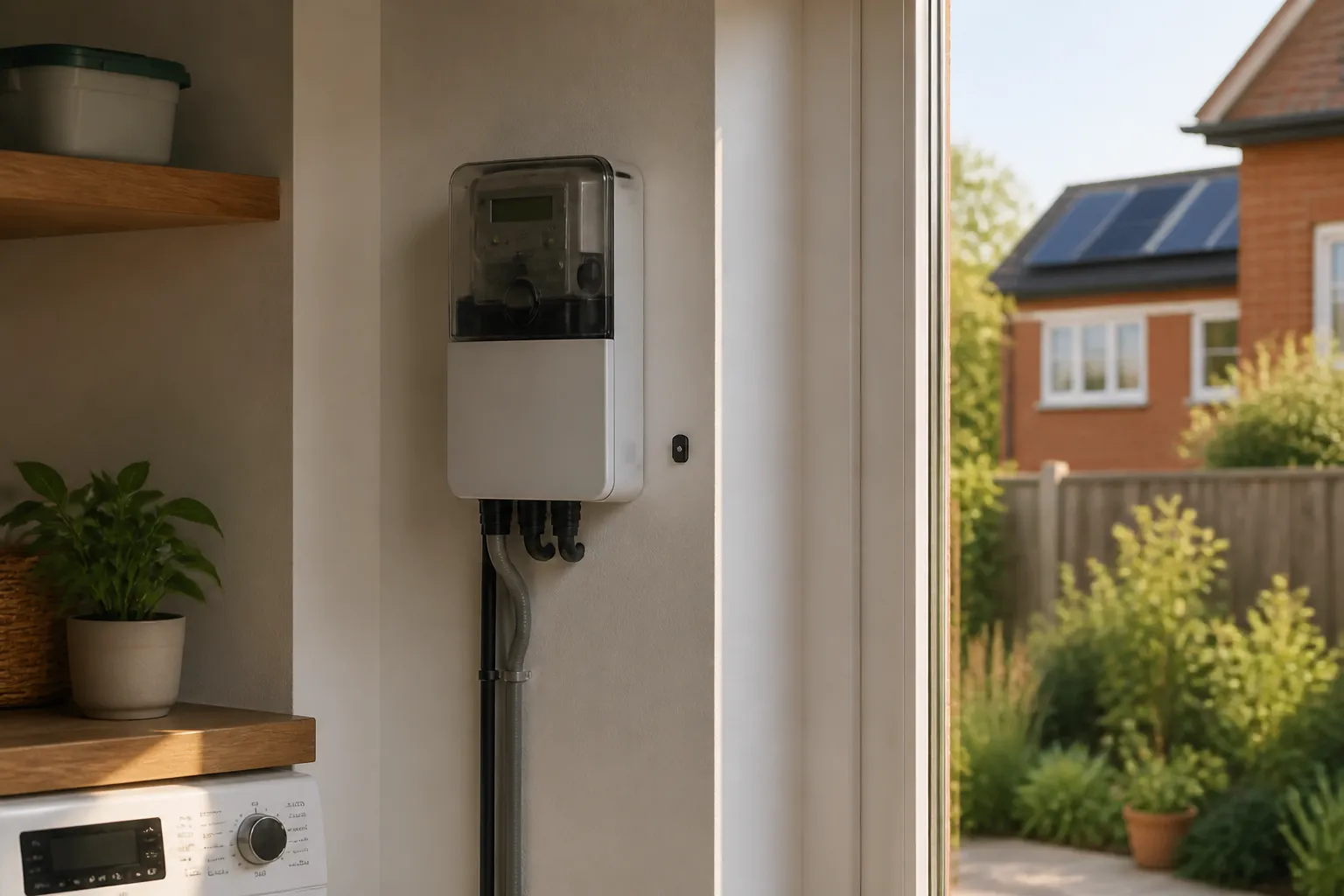
To get SEG payments, you will usually need an export-capable smart meter, or another approved meter that can measure exported electricity. You will also normally need proof that your solar PV system was installed by an MCS-certified installer, because suppliers use this to check the system meets recognised standards.
The SEG is separate from the old Feed-in Tariff, which closed to new applicants years ago. If you are installing solar now, SEG is the main route for being paid for exported electricity.
How much do SEG suppliers pay?
SEG rates are set by each supplier, so they can vary a great deal. They can also change, so always check the current tariff, eligibility rules and contract terms before you apply.
As examples in summer 2026, Octopus Energy’s basic SEG rate is around 4.1p per kWh, while Outgoing Octopus is around 12p per kWh. E.ON Next has been offering around 17.5p per kWh on some export tariffs, and OVO has advertised up to 20p per kWh for some customers with OVO-installed solar.
The highest headline rate is not always available to everyone. Some tariffs require you to take your import electricity from the same supplier, have certain technology, or have had the system installed by that company.
Why is using your own solar usually better?
Export payments are useful, but using solar electricity in your own home usually saves more. If imported electricity costs roughly 25p per kWh and an export tariff pays around 12p per kWh, every unit you use at home avoids buying a more expensive unit from the grid.
That is why solar works best when it matches your normal electricity use. Running appliances such as washing machines, dishwashers or immersion heaters during sunny hours can help, provided it is practical and safe for your household.
It is not always worth oversizing a solar system simply to chase export payments. If your roof is limited, heavily shaded, or your daytime use is very low, the figures need checking carefully before spending more.
How do batteries and smart tariffs fit in?
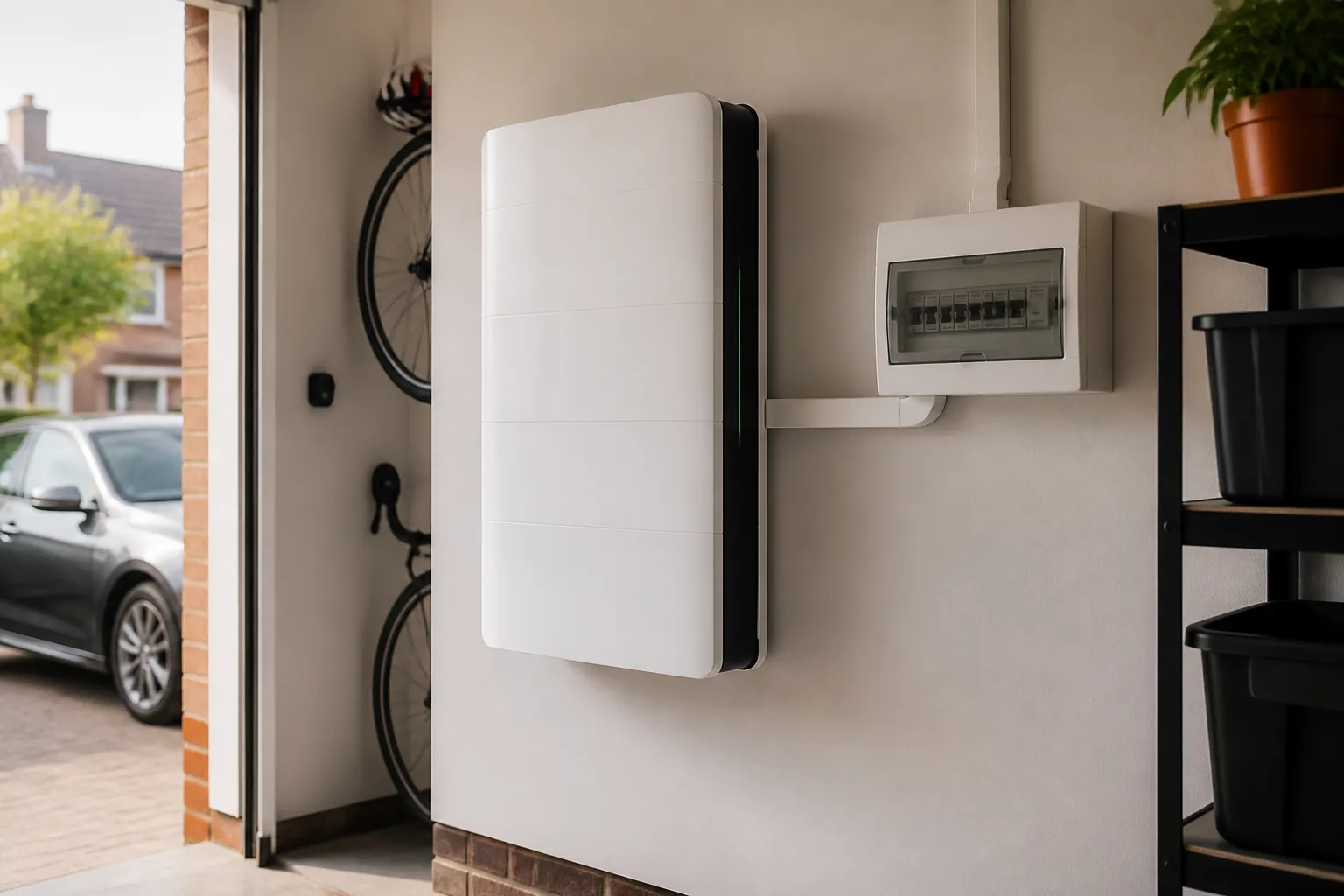
A battery can store spare solar electricity during the day so you can use it later, often in the evening. This can reduce how much electricity you import, and it may still allow you to export at times when the battery is full or when an export tariff makes it worthwhile.
Some smart tariffs make the picture more interesting. Depending on your tariff and equipment, you may be able to charge a battery at cheaper off-peak times, use it during expensive periods, and export surplus solar at a set export rate. The details matter, because tariff rules, standing charges, battery losses and your daily usage pattern all affect the outcome.
If you already have solar, switching export tariff can often be simpler than changing the panels themselves. Compare rates, check eligibility, gather your MCS certificate and meter details, then apply to the new export supplier. AmpWell can help local homeowners around Brackley, Banbury, Bicester, Towcester and Buckingham understand the practical side through a free survey and quote.
Common questions
Do I have to use the same supplier for import and export?
Not always. Some suppliers allow you to take your import electricity from one company and your SEG export payments from another, but others reserve their best export rates for import customers. Check the tariff rules before switching.
Can I get SEG payments without a smart meter?
You need a way for your supplier to measure exported electricity accurately, which usually means a smart meter that can record export readings. If your current meter is not suitable, ask your supplier what meter upgrade is needed before applying.
Is the highest export tariff always the best choice?
Not necessarily. A high export rate may come with conditions, such as needing the supplier’s own installation, a matching import tariff or specific equipment. Look at the whole cost of your import electricity, standing charge and how much you realistically expect to export.
Should I add a battery just to earn more from exporting?
A battery is usually bought to use more of your own solar electricity and reduce imports, not just to increase export income. It can work well with the right household usage and smart tariff, but it is not automatically worth it for every home.